

What Endometriosis Excision Surgery Is Really Like
For years, the conversation about my health centered on one question: was my pain real. By the time I reached endometriosis excision surgery, I had already lived through the dismissals, the delays, and the slow work of finally being taken seriously. Surgery was not the end of that story. It was the moment the disease was actually seen, removed, and sent to pathology. This is an honest, educational look at what endometriosis excision surgery involves, how it is different from other approaches, and why the kind of care you receive matters so much.
I am sharing this from a place few people sit in at the same time. I have spent my career in and around operating rooms on the professional side of medical care. This time, I was the patient on the table. That dual perspective shaped everything about how I understood my own surgery.
What Excision Surgery Is, and How It Differs From Ablation
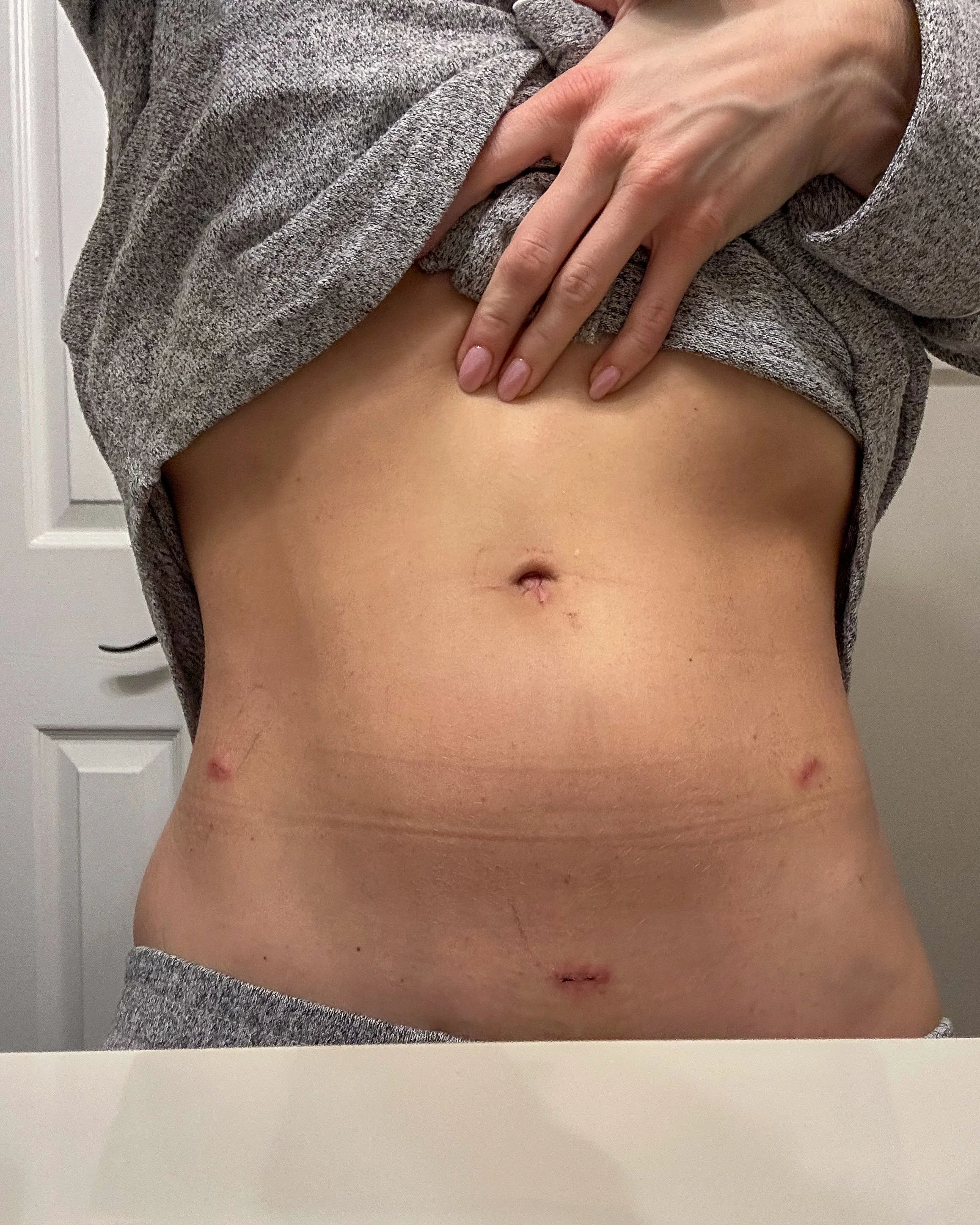
Endometriosis excision surgery is a procedure that removes endometriosis tissue by cutting it out at the root, rather than burning only the surface. It is most often performed laparoscopically, through small incisions, using a camera and specialized instruments.
This is where one of the most important distinctions in endometriosis care lives.
Excision Versus Ablation
Ablation burns or destroys the surface of a lesion and can leave disease underneath. Excision cuts the disease out, which allows the tissue to be removed completely and sent to pathology for confirmation. For many patients with deeper or more complex disease, excision is considered the more thorough approach. Understanding this difference is part of why I believe so strongly that patients deserve to ask questions about the kind of surgery being recommended to them.
I am not sharing this to tell anyone which approach is right for them. I am sharing it because I did not fully understand the difference myself until I started advocating for my own care.
What My Surgery Involved
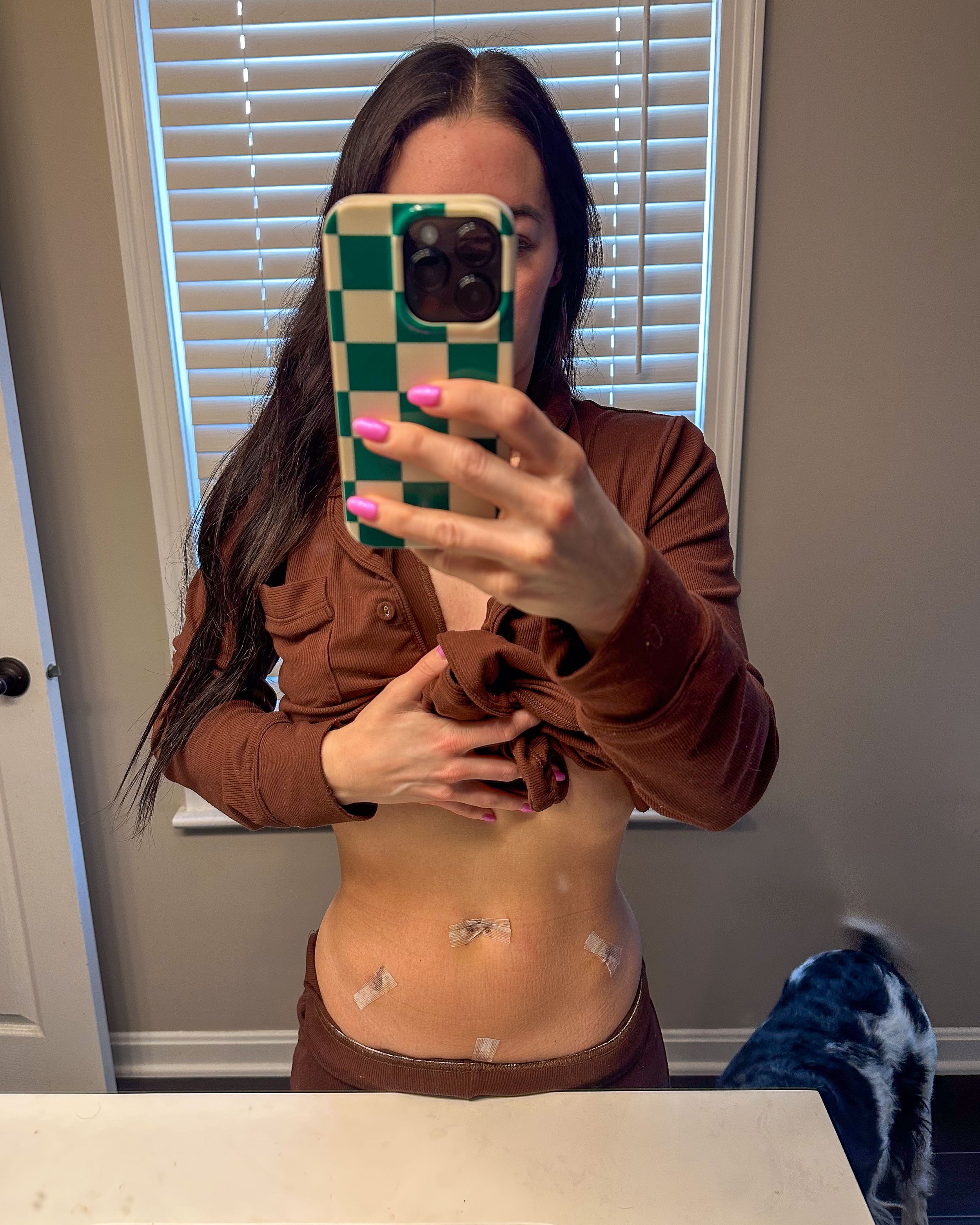
My procedure was a laparoscopic excision of endometriosis, performed at a hospital with a dedicated focus on endometriosis and chronic pelvic pain. During the surgery, my surgeon removed tissue from several different areas across my pelvis, including both sides near the ovaries, an area connected to the uterosacral region, and areas near the rectum on both sides. Each one was sent to pathology.
What stood out to me, even as someone familiar with surgical settings, was how careful and deliberate the work had to be. Removing endometriosis in these areas meant carefully protecting nearby structures, including the ureters and the rectum, so that disease could be taken out without harming the tissue around it. By the end, all visible disease had been removed.
Reading the details later, I was struck by how much was actually there. This was not a simple, surface-level procedure. It was meticulous, multi-site work, and it reflected exactly how complex endometriosis can be once someone finally looks closely.
The Word That Stayed With Me
Before surgery, the only thing my record listed was pelvic pain. The endometriosis itself was described as questionable, right up until it was found in multiple areas and removed.
That word stayed with me.
For years, so many of us are told our pain is vague, normal, or hard to explain. We are described in uncertain language while we wait for someone to take a closer look. And then surgery happens, and the disease that was called questionable turns out to be real, and present in more than one place. My experience was a quiet reminder of how often endometriosis is minimized until the moment it can no longer be ignored.
This is exactly why diagnosis can take so long, and why being believed matters so much.
Seeing Surgery From Both Sides
My professional life has placed me in operating rooms and clinical settings for years. I understand what it feels like to be on the working side of a procedure, focused on the patient on the table.
Being the patient was different in every way that matters.
It gave me a new kind of respect for what patients carry into surgery. The fear, the hope, the years of waiting, and the vulnerability of trusting a team with your body. It also deepened my belief that the human side of care matters just as much as the clinical side. I will carry that perspective with me for the rest of my career.
What Came After
Surgery was a turning point, not a finish line. Recovery brought its own chapter of healing, including pelvic floor physical therapy, gentle movement, nutrition changes, rest, and the slow work of rebuilding trust with my body. Those parts of the journey deserve their own space, and I have written about pelvic floor physical therapy after surgery and the changes that supported my recovery separately.
Why This Matters
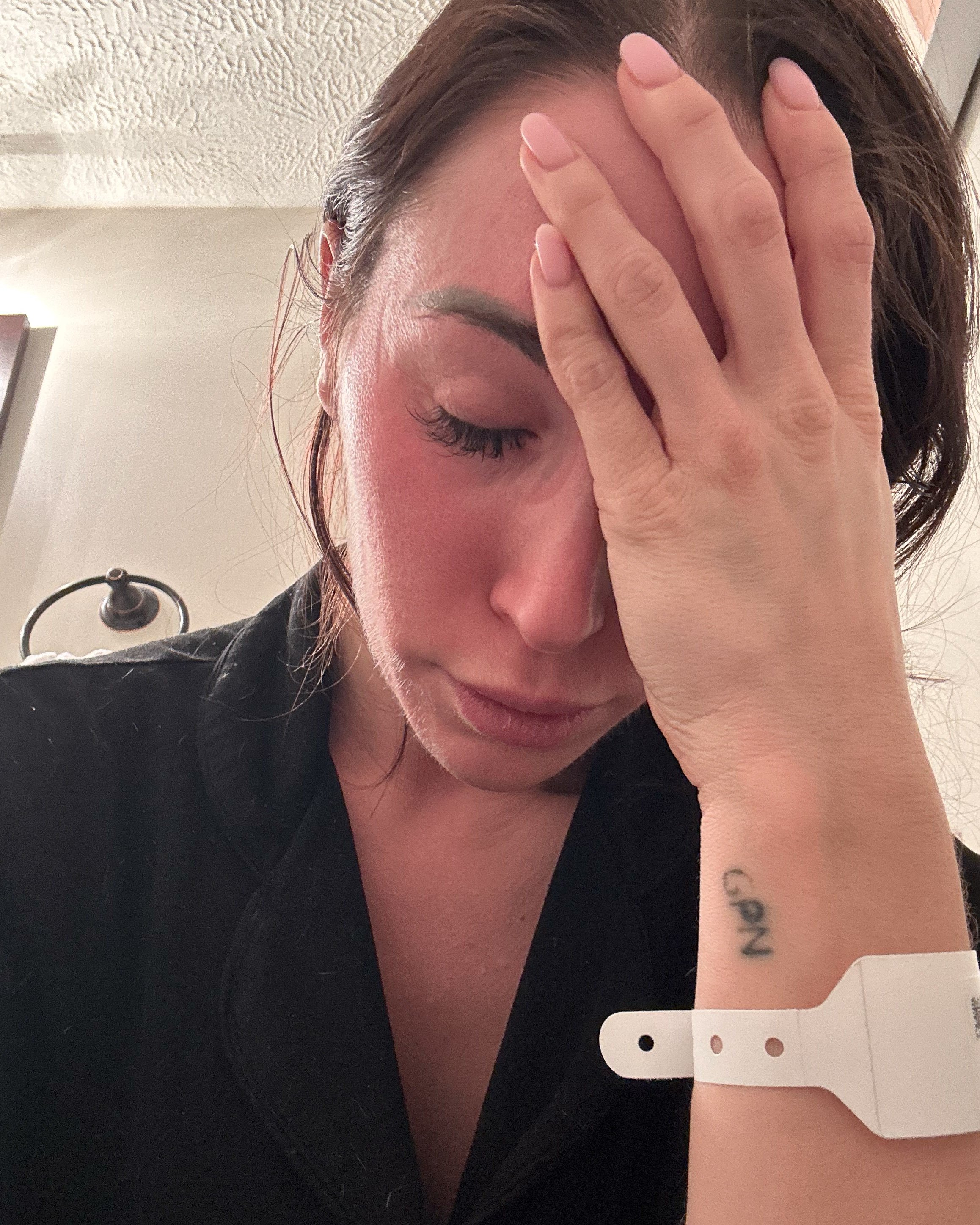
I share my surgery story for the same reason I share everything else about this journey. Not to tell anyone what to do, and not to offer medical advice, but to help other people feel less alone and more informed.
If there is one thing I hope you take from this, it is that you deserve to be taken seriously. You deserve care that looks closely. You deserve to understand your options and ask questions about the kind of surgery being recommended to you. And you deserve to be believed long before anyone confirms what your body has been telling you all along. Ask questions about the kind of surgery
Why We Need to Talk About What Surgery Actually Reveals
So much of the endometriosis conversation stops at diagnosis. We talk about the years of being dismissed, the search for answers, and the relief of finally having a name for the pain. Those conversations matter. But surgery is often where the full picture comes into focus, where disease that was called questionable or uncertain turns out to be real, present, and spread across more than one area of the body.
When we share what surgery actually involves, we do more than tell our own stories. We help the next person walk into their consultation with better questions, a clearer understanding of excision compared to ablation, and the confidence to advocate for specialized care. Being informed is its own kind of healing, and it is one of the most meaningful things we can offer one another in women's health.
This article is educational and reflects a personal experience with endometriosis excision surgery. It is not medical advice. Endometriosis care, surgical approaches like excision and ablation, and recovery are different for every person and should always be discussed with a qualified surgeon, physician, or licensed healthcare provider.
Explore More
My Diagnosis Story
Five OB-GYNs, years of being dismissed, and finally being heard. The story that led me to surgery.
Read More →Pelvic Floor PT After Surgery
Read how pelvic floor PT helped me reconnect with my body and rebuild trust after surgery.
Read More →My Healing Journey
Read how whole foods, less caffeine, hydration, magnesium, and rest helped support my recovery.
Read More →Endometriosis Resources
Explore the center where I had surgery, my surgeon, current research, and patient support.
Read More →Frequently Asked Questions
What is endometriosis excision surgery?
Endometriosis excision surgery is a procedure that removes endometriosis tissue by cutting it out, rather than only burning the surface. It is often performed laparoscopically through small incisions. Because the tissue is removed, it can be sent to pathology. This article reflects my personal experience and is not medical advice.
How is excision different from ablation?
Ablation destroys the surface of a lesion and can leave disease underneath, while excision removes the disease so it can be examined by pathology. For deeper or more complex endometriosis, excision is often considered the more thorough approach. The right choice depends on the individual and should be discussed with a qualified surgeon.
Is endometriosis excision surgery a cure?
No. Surgery can remove disease and relieve symptoms for many people, but it is not a guaranteed cure, and recovery looks different for everyone. Decisions about surgery and treatment should always be made with a qualified healthcare provider.
What is recovery like after excision surgery?
Recovery varies from person to person and can include physical healing, pelvic floor physical therapy, gradual movement, and emotional processing. For me, recovery was its own chapter of the journey, and I have written about it separately.
If this resonates with you, I would love to hear your story.
Start a Conversation