

How an Anti-Inflammatory Diet Helped Me Support My Healing Journey
When I decided to undergo excision surgery for endometriosis, I knew surgery alone wasn’t going to be the entire answer. Surgery was an important step in my healing journey, but I also wanted to give my body every opportunity to recover, function, and feel supported afterward.
One of the biggest changes I made was committing to an anti-inflammatory approach to eating and eliminating caffeine.
I’ll be honest, it wasn’t always easy.
Like many people, I relied on coffee for energy, comfort, and routine. There was something familiar about starting the day with coffee, and giving that up felt like a bigger change than I expected. But at that point in my life, I was willing to make temporary sacrifices if it meant giving my body the best possible chance to heal.
Looking back, I am so glad I did.
This was never about following a perfect diet or believing food could cure endometriosis. It was about learning how to nourish my body, reduce things that made me feel worse, and create habits that helped me feel more grounded during a time when so much felt uncertain.
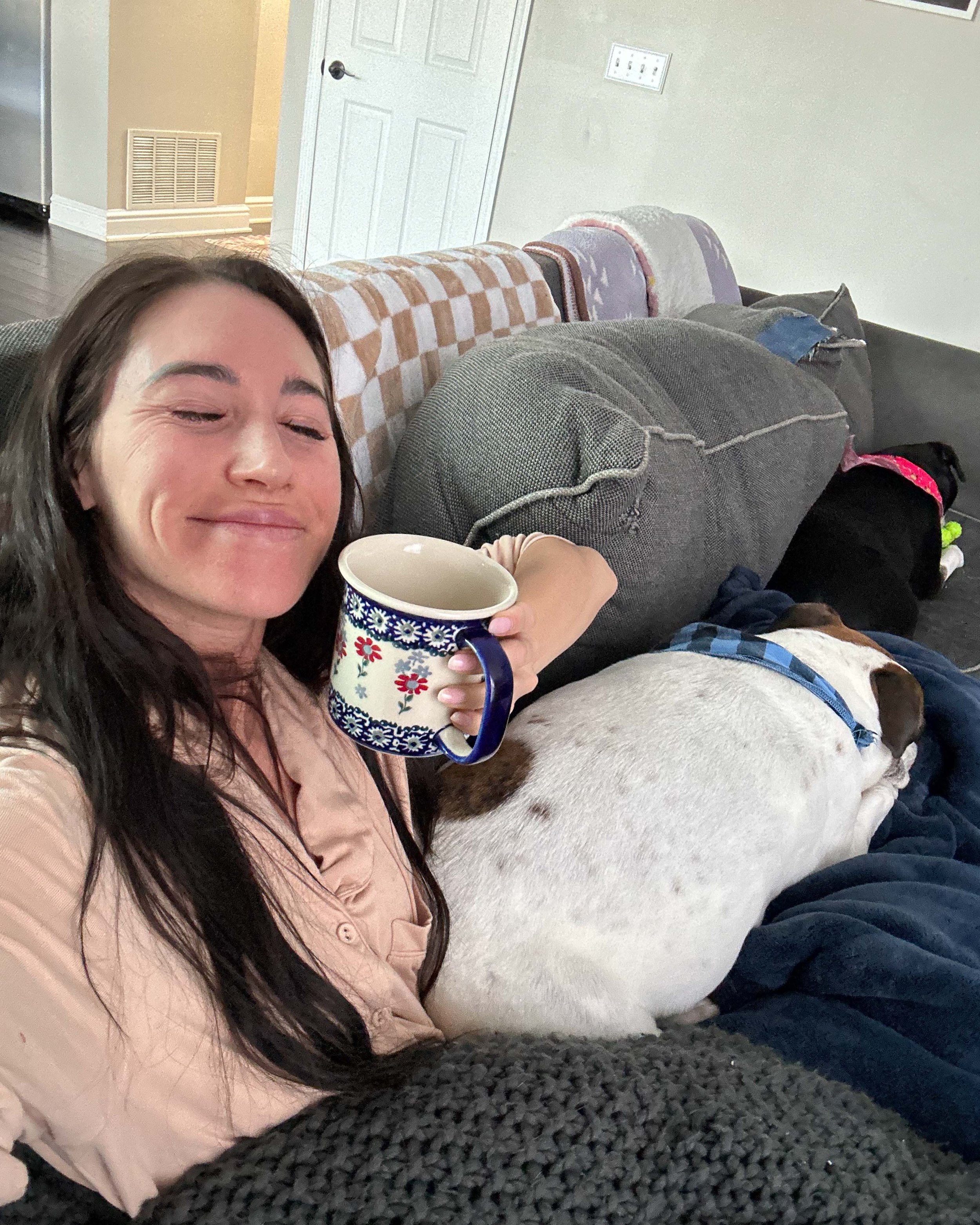
Why I Chose an Anti-Inflammatory Approach
Endometriosis is complex, and everyone’s experience with it is different. For me, after years of pain and finally moving toward excision surgery, I wanted to be more intentional about what I was putting into my body.
Food was one part of that.
I knew food was not a cure. I knew it was not going to replace surgery, medical care, or professional guidance. But I also knew that what I ate affected how I felt. I wanted to focus on foods that made me feel nourished, steady, and supported instead of foods that left me feeling sluggish, bloated, inflamed, or drained.
Instead of following an extreme or restrictive plan, I focused on simple, whole foods.
I wanted meals that were easy to make, easy to repeat, and realistic enough to stick with during recovery. I did not want to obsess over every ingredient or turn eating into another source of stress. My goal was consistency, not perfection.
The more I paid attention, the more I started to understand how my body responded.
My Typical Day of Eating
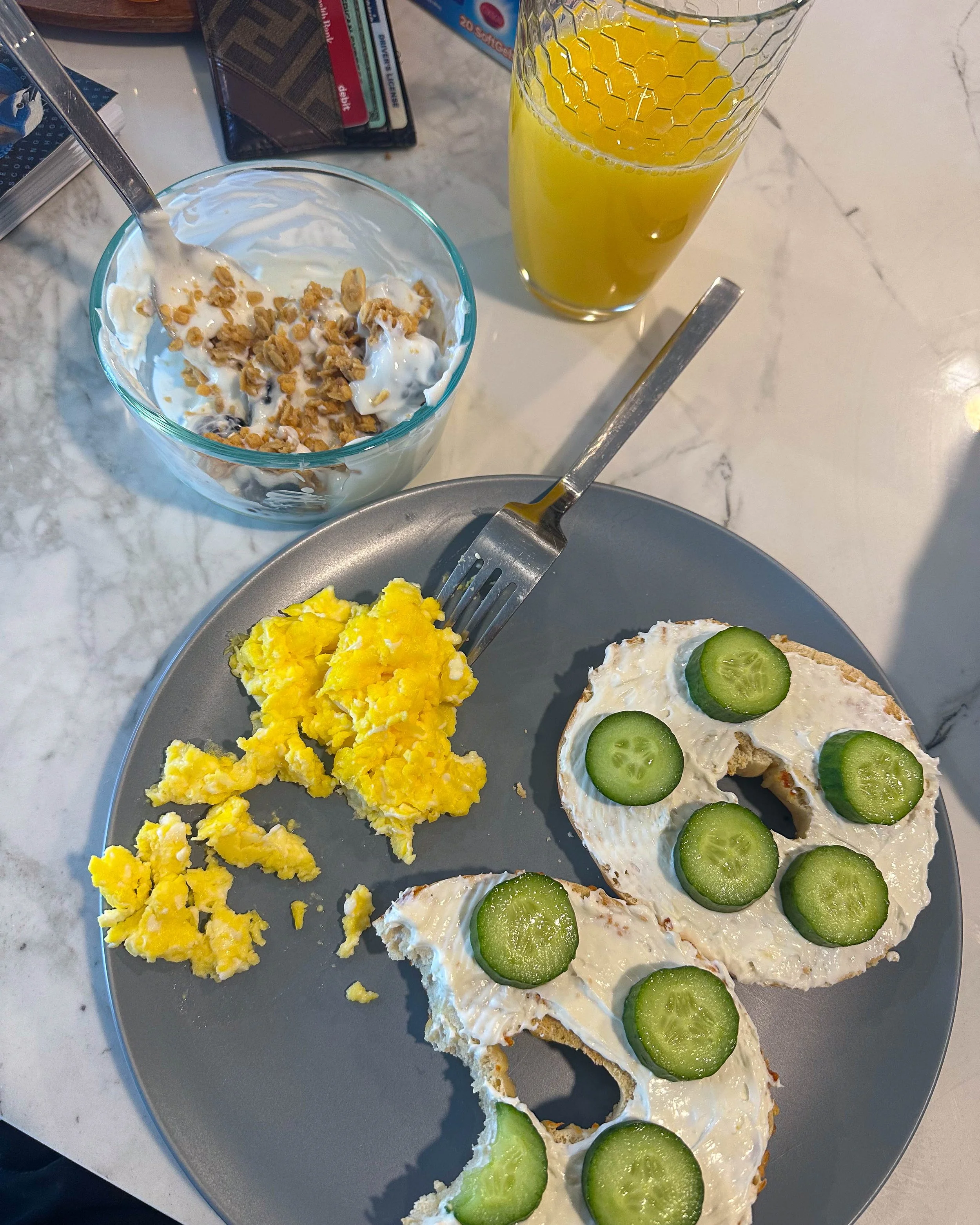
During this part of my healing journey, I found comfort in routine. Having simple meals that I could repeat made things feel less overwhelming. I did not have to constantly think about what to eat, and I knew the foods I was choosing were helping me feel full, steady, and supported.
Breakfast: Overnight Oats
Almost every morning started with overnight oats.
They were easy to prepare, filling, and packed with fiber. They also felt gentle on my body, which mattered during recovery.
My favorite combination included:
Oats
Coconut milk
Blueberries
Natural peanut butter
It was simple, but it worked for me.
The oats kept me full throughout the morning, the blueberries added natural sweetness, and the peanut butter made it feel more satisfying. It also helped me avoid reaching for sugary breakfast options that usually left me feeling sluggish later.
Having breakfast already prepared made my mornings easier. I did not have to start the day by making a decision. I could just grab something that I knew would support me and move into the day with a little more calm.
That may sound small, but during recovery, small routines can make a big difference.

Peppermint Tea Instead of Coffee
One of the biggest changes I made was cutting out caffeine.
Rather than reaching for coffee first thing in the morning, I started drinking peppermint tea.
At first, I missed the routine of coffee more than the caffeine itself. I missed the habit, the smell, the comfort, and the feeling of having something familiar to start the day.
But over time, peppermint tea became its own kind of ritual.
It felt calmer. It felt gentler. It helped me slow down instead of rushing into the day already feeling like I needed to push through.
I also noticed fewer energy crashes. Without caffeine, my energy felt more even throughout the day. I learned that I did not need coffee to function as much as I thought I did.
That was a big realization for me.
It made me feel like I had more control than I realized. I had spent so long feeling like my body was unpredictable, painful, and hard to understand. Creating a slower, more intentional morning routine helped me feel connected to myself again.
Lunch and Dinner: Lean Proteins and Whole Foods
For lunch and dinner, I focused on simple meals built around lean proteins, vegetables, and nutrient-dense carbohydrates.
Some of my favorites included:
Salmon with coconut rice
Grilled chicken and vegetables
Lean steak with green beans
Baked fish with roasted vegetables
Sweet potatoes as a staple side dish
I was not trying to make complicated meals. I wanted food that felt clean, filling, and realistic.
Sweet potatoes quickly became one of my favorite foods during recovery. They were easy to make, comforting, and packed with fiber, vitamins, and complex carbohydrates. They gave me steady energy without the highs and lows I often felt from more processed foods.
I also tried to pay attention to how meals made me feel afterward.
Did I feel energized or tired?
Did I feel bloated or comfortable?
Did I feel satisfied or like I was still searching for something else?
That kind of awareness became an important part of my healing process.
For years, I felt like my body was something I had to fight against. Food became one of the ways I started learning to work with my body instead.
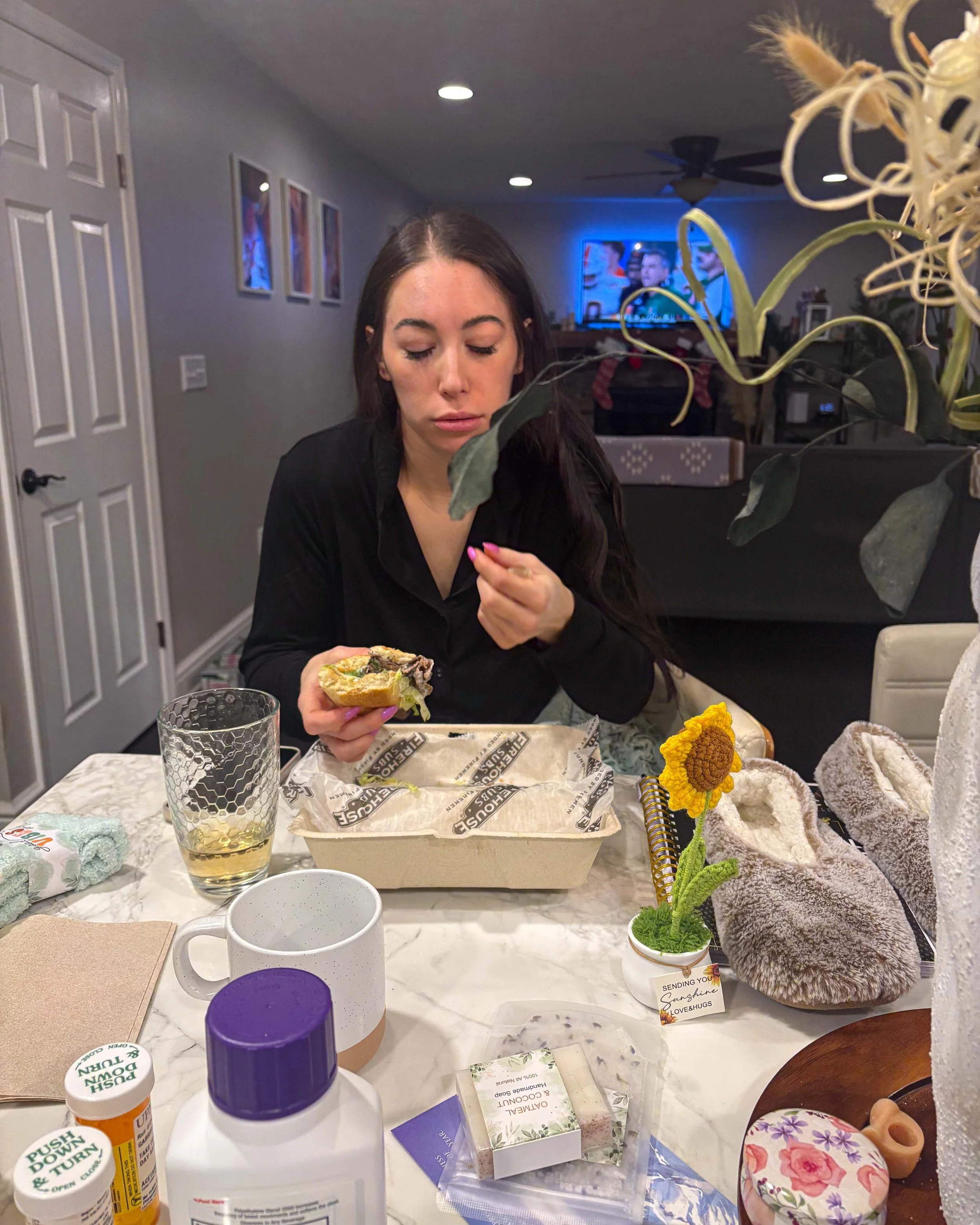
Staying Hydrated
Hydration also became a priority.
It sounds obvious, but when you are recovering, dealing with pain, managing appointments, and trying to get through the day, simple things like drinking enough water can easily fall to the side.
I tried to be more mindful about drinking water throughout the day instead of waiting until I felt dehydrated or run down.
Staying hydrated helped me feel better overall. It supported digestion, energy, and the basic day-to-day functions that matter even more when your body is healing.
Again, it was not about doing something dramatic. It was about building small habits that made me feel cared for.
The Importance of Magnesium
Another addition to my routine was magnesium glycinate before bed.
Recovery can be stressful on both the body and mind. Even when you are physically resting, your nervous system can still feel like it is on high alert. After years of pain, stress, and uncertainty, I wanted to create a nighttime routine that helped me wind down.
Taking magnesium at night became part of that routine.
It was one of the small signals I gave my body that the day was over and it was time to rest. I started to take sleep more seriously, because quality sleep is one of the most underrated parts of healing.
Eating well mattered, but so did rest.
There were nights when my body needed extra patience. There were days when I felt emotionally exhausted. Creating a simple nighttime routine helped me feel like I was ending the day with care instead of frustration.

What This Taught Me About Healing
The biggest lesson I learned is that healing is not about perfection.
There were days when I ate exactly as planned. There were also days when life happened. Some days were easier than others. Some days I felt motivated and strong. Other days I felt tired, emotional, or discouraged.
That is normal.
What mattered most was creating sustainable habits that made me feel good. I did not need to be perfect. I needed to be consistent, patient, and honest with myself.
Choosing an anti-inflammatory approach gave me a sense of control during a time when so much felt uncertain. It helped me slow down, become more intentional, and listen to what my body needed instead of ignoring it.
For me, focusing on whole foods, eliminating caffeine, staying hydrated, prioritizing rest, and building simple routines became powerful tools in supporting my recovery.
Not because they cured me.
Not because they replaced medical care.
But because they helped me participate in my own healing.
Healing Goes Beyond the Operating Room
Endometriosis recovery is not just about what happens in the operating room.
Surgery was a major part of my journey, but healing continued long after surgery was over. It continued in the way I ate, the way I rested, the way I moved, the way I listened to my body, and the way I learned to care for myself with more compassion.
For years, I felt disconnected from my body because pain had become so normal. I was used to pushing through, questioning myself, and trying to function even when something felt wrong.
Recovery asked something different of me.
It asked me to slow down.
It asked me to listen.
It asked me to stop treating my body like the enemy.
Changing the way I ate was one part of that process.
Everyone’s journey is different, and what helped me may not be right for someone else. But for me, choosing simple whole foods, cutting caffeine, staying hydrated, using magnesium as part of my nighttime routine, and prioritizing rest helped me feel more supported during recovery.
Healing is not just about getting through surgery.
It is also about the choices we make every day to care for ourselves long after surgery is over.
Why Healing Conversations Need to Include What Happens After Surgery
So much of the conversation around endometriosis focuses on diagnosis, surgery, and finally being believed. Those conversations matter deeply. But healing does not stop once surgery is over. For many people, the recovery period becomes its own chapter: learning how to nourish the body, rebuild strength, manage stress, rest without guilt, and make daily choices that support healing instead of simply pushing through.
For me, choosing an anti-inflammatory approach was not about perfection, restriction, or believing food could cure endometriosis. It was about participating in my own recovery. It gave me a way to slow down, listen to my body, and create habits that made me feel more supported during a time when so much felt uncertain. That part of the journey deserves more space in women's health conversations too.
This article is educational and reflects a personal experience with endometriosis recovery, nutrition, caffeine, supplements, and lifestyle changes. It is not medical advice. Food, supplements, and lifestyle changes are not a cure for endometriosis. If you have questions about your symptoms, diet, supplements, recovery, or treatment plan, please speak with a qualified healthcare provider.
Explore More
What Drives Me
Learn more about my personal journey with endometriosis and why patient advocacy matters to me.
Read More →Pelvic Floor Physical Therapy
Read how pelvic floor PT helped me reconnect with my body and rebuild trust after surgery.
Read More →My Diagnosis Story
Five OB-GYNs, years of being dismissed, and finally being heard. The story that led me here.
Read More →What Is Endometriosis?
Start with the basics of what endometriosis is, the symptoms, and the early signs.
Read More →Frequently Asked Questions
Can an anti-inflammatory diet cure endometriosis?
No. Food is not a cure for endometriosis and should not replace medical care, surgery, medication, or guidance from a qualified healthcare provider. For me, an anti-inflammatory approach was a personal way to support my body during recovery by focusing on whole foods, hydration, rest, and habits that helped me feel more grounded.
What foods did I focus on during recovery?
I focused on simple, whole foods that felt realistic and supportive for my body. Some of my staples included overnight oats with coconut milk, blueberries, and natural peanut butter, along with meals built around salmon, grilled chicken, lean steak, baked fish, vegetables, coconut rice, and sweet potatoes. The goal was consistency and nourishment, not perfection.
Why did I eliminate caffeine after endometriosis surgery?
Eliminating caffeine was a personal choice I made during recovery. I replaced coffee with peppermint tea because I wanted a gentler morning routine and fewer energy crashes throughout the day. Over time, that slower routine helped me feel more connected to my body and less dependent on caffeine to function.
Should everyone recovering from endometriosis surgery take magnesium?
No supplement is right for everyone. Magnesium glycinate became part of my personal nighttime routine because it helped me prioritize rest and relaxation during recovery. Anyone considering supplements should speak with their physician, surgeon, pharmacist, dietitian, or qualified healthcare provider first, especially after surgery or while taking medications.
If this resonates with you, I would love to hear your story.
Start a Conversation