

Endometriosis Pain: What It Can Feel Like Beyond Bad Cramps
Endometriosis Pain Is More Than "Bad Cramps"
If you have ever tried to describe endometriosis pain to someone who does not live with it, you already know how difficult that conversation can be. The most common response is something along the lines of "so, like really bad cramps?" And while that comparison comes from a well-meaning place, it barely scratches the surface of what endometriosis pain can actually feel like.
Endometriosis pain is not simply a more intense version of typical period cramps. For many women, it is a complex, layered experience that can affect the pelvis, the lower back, the legs, the digestive system, and daily functioning in ways that are difficult to predict and even harder to explain. It can be sharp. It can be dull. It can come in waves or stay constant for days. And for a lot of women, it is the kind of pain that reshapes how they move through their lives.
I have lived this. I spent years trying to put words to what I was feeling and being met with responses that made me question if I was overreacting. I was not. And if you are reading this because you are trying to make sense of your own pain, I want you to know that what you are feeling is real, it is valid, and it deserves to be taken seriously.
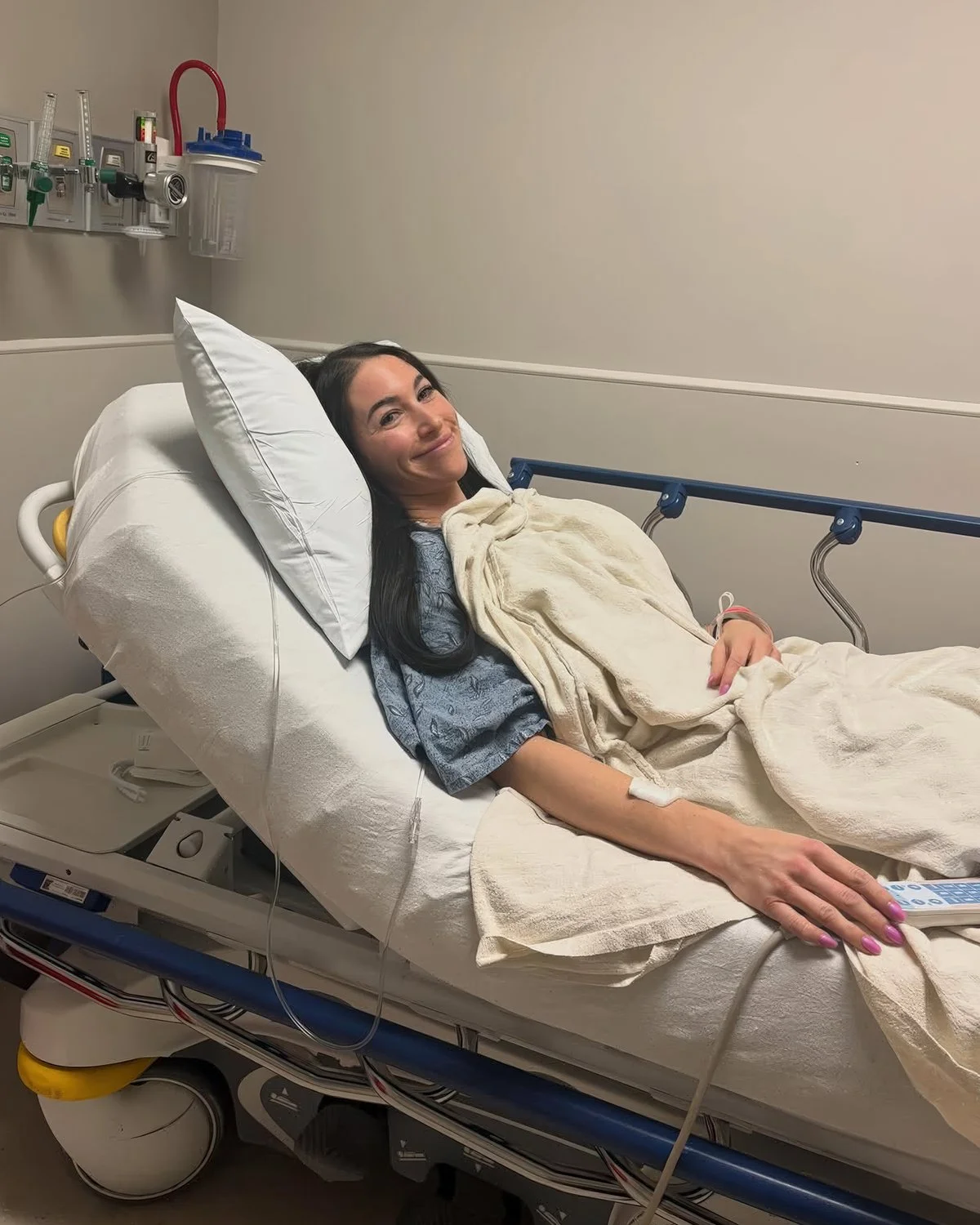
This article is educational in nature and is not intended as medical advice. If you are experiencing symptoms, please consult with a qualified healthcare provider.
What Does Endometriosis Feel Like?
There is no single answer to the question "what does endometriosis feel like" because the experience varies so widely from person to person. But there are patterns that many women describe, and understanding those patterns can help put language to something that often feels impossible to articulate.
A deep, internal ache that is hard to locate. Unlike surface-level pain that you can point to, endometriosis pain often feels like it is coming from deep inside the pelvis. Many women describe it as a heavy, pulling sensation that sits low in the abdomen and does not respond to typical over-the-counter pain relief.
Sharp, stabbing sensations that come without warning. Some women experience sudden, intense pain that stops them mid-step or mid-sentence. These moments can be brief or they can linger, and they often come at unpredictable times, not just during menstruation.
A burning or throbbing quality. Endometriosis pain is not always a cramp. Some women describe a burning feeling, especially in the pelvic region, that persists regardless of where they are in their menstrual cycle. Others describe a throbbing that intensifies with physical activity or prolonged sitting.
Pain that radiates beyond the pelvis. This is one of the aspects of endometriosis pain that surprises many women. The discomfort does not always stay in one place. It can radiate into the lower back, the hips, and even down the legs. Endometriosis back pain is common but frequently overlooked because it is not immediately associated with a reproductive health condition.
Pain that exists outside of your period. One of the most frustrating things about endometriosis is that the pain does not always follow a predictable cycle. While many women experience their worst symptoms during menstruation, others deal with chronic pelvic pain throughout the month. The assumption that period pain only happens during a period can make it even harder for women to connect their daily discomfort to endometriosis.
The Pain That Gets Dismissed
One of the most damaging aspects of living with endometriosis pain is how often it gets minimized. Not by the women experiencing it, but by the people and systems around them.
"Everyone gets cramps." This is the phrase that has silenced more women than almost any other when it comes to endometriosis. Yes, many women experience some level of menstrual discomfort. But there is a meaningful difference between mild cramping that resolves with rest or basic pain relief and the kind of severe period cramps that leave you unable to get out of bed, unable to eat, or unable to focus on anything other than surviving the next hour. That distinction matters, and it should never be glossed over.
"It is just part of being a woman." When pain is framed as an expected part of the female experience, it becomes almost impossible to advocate for yourself without feeling like you are being dramatic. This cultural messaging teaches women to endure rather than investigate, and it is one of the primary reasons endometriosis takes so long to diagnose.
"Have you tried ibuprofen?" For many women with endometriosis, standard pain relief does little to nothing. The suggestion to "just take something for it" can feel dismissive when you have already exhausted every over-the-counter option and the pain is still there, still constant, still affecting everything.
I know what it feels like to sit in an exam room and struggle to make someone understand that the pain I was describing was not normal. I know what it feels like to wonder if maybe everyone else is just handling it better. They are not. And neither should you have to.
How Endometriosis Pain Affects Daily Life
The impact of endometriosis pain goes far beyond the physical sensation itself. It affects how women plan their days, manage their energy, and show up in their personal and professional lives.
Work becomes harder to navigate. Painful periods and chronic pelvic pain do not pause for deadlines, meetings, or responsibilities. Many women with endometriosis find themselves powering through their workday while managing levels of pain that would keep most people home. Others miss time at work and carry the stress of wondering how that absence is perceived.
Social plans become unpredictable. When you do not know how your body is going to feel from one day to the next, it becomes difficult to commit to anything with confidence. Canceling plans, leaving events early, and declining invitations are common realities for women dealing with endometriosis pain, and each one comes with a layer of guilt or frustration.
Sleep suffers. Pain that does not shut off at night leads to disrupted sleep, which leads to fatigue, which makes the pain feel even harder to manage. The cycle is exhausting and it compounds over time.
Emotional weight builds. Living with chronic pain that others cannot see and may not understand creates an emotional burden that is easy to underestimate. The isolation of feeling like no one fully grasps what you are going through, combined with the frustration of not having answers, takes a real toll on mental health.
This is not about being unable to handle discomfort. This is about a condition that creates real, measurable disruption in the lives of millions of women, and about the need for those experiences to be acknowledged rather than minimized.
Pain Deserves to Be Heard
If there is one thing I want anyone reading this to take away, it is this: your pain is not an inconvenience. It is information. It is your body telling you that something deserves attention, and you have every right to pursue answers until you find them.
The conversation around endometriosis pain needs to change. It needs to move beyond "bad cramps" and into a more honest, more complete understanding of what this condition can do to a woman's body and her daily life. That change starts with women feeling empowered to describe their pain without apologizing for it, and with the people around them, both personally and clinically, listening without dismissing.
I believe that women's health deserves better than "just deal with it." Every woman who speaks up about her pain is contributing to a larger conversation that will eventually make it easier for the next woman to be heard. And that matters more than most people realize.
About the Author
Gabriella Castellani is an occupational therapist and clinical specialist who writes about endometriosis, patient advocacy, and women’s health through both professional experience and lived experience. Her goal is to make complex topics feel more human, more informed, and more accessible.
Explore More
Frequently Asked Questions
Is endometriosis pain the same as regular period cramps?
No. While endometriosis can cause cramping during menstruation, the pain is often more severe, longer lasting, and present outside of the menstrual period as well. Many women describe it as qualitatively different from typical cramps, involving deep pelvic aching, sharp sensations, and pain that radiates to the back and legs.
Can endometriosis cause back pain?
Yes. Endometriosis back pain is a commonly reported symptom, particularly in the lower back. Depending on where the endometrial-like tissue is located, pain can radiate from the pelvic area into the back, hips, and legs, especially around menstruation.
Why is endometriosis pain often dismissed?
Endometriosis pain is frequently dismissed because of cultural normalization of period pain, symptom overlap with other conditions, and a general lack of awareness about how severe the condition can be. Many women are told their pain is normal before a thorough evaluation for endometriosis is ever considered.
If this resonates with you, I would love to hear from you.
Start a Conversation